CHILDREN’S TOOTH EXTRACTIONS
Removing Problem Teeth to Create Healthier Smiles
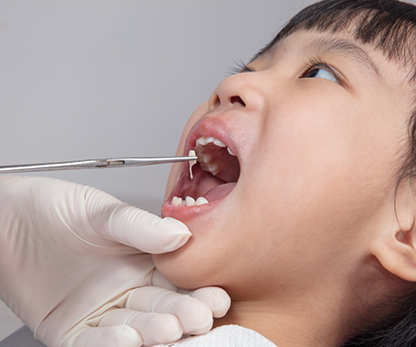
Although it’s best to let primary teeth fall out on their own, there are times when they need a little help. Whether we are removing a baby or adult tooth from your child’s mouth, you can trust that our team is doing it for the long-term benefit of their oral health. Tooth extractions can be necessary when significant decay or severe dental trauma occurs. They can also be recommended when stubborn baby teeth refuse to fall out. If you are concerned about the current state of your child’s smile, contact our office to schedule an appointment right away.
Why Choose SmileTown: Just Kids Dentistry for Children’s Tooth Extractions?
- Careful Treatment Planning Using Advanced Dental Imaging
- Space Maintainers Available Should Baby Teeth Require Extraction
- Multiple Dental Sedation Methods to Calm Anxious Patients
When are Tooth Extractions Necessary?
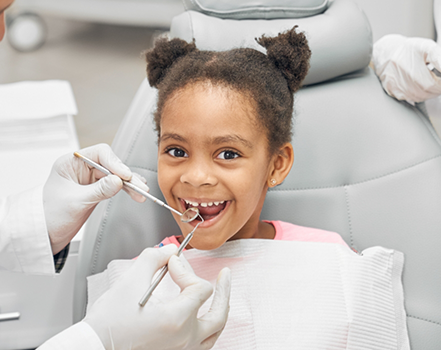
Tooth extractions are likely to be recommended if:
- Your child’s permanent tooth is trying to erupt but lacks space because of a baby tooth that refuses to fall out
- Your child needs orthodontic treatment to address crowded teeth but needs appropriate space for movement to be successful
- Significant dental decay is putting their oral health and nearby teeth at risk
- Facial trauma results in a broken tooth that cannot be saved with a dental crown or root canal
Your child’s safety and comfort remain our priorities, so we will be mindful of what your little one needs when preparing for this type of procedure.
What Does the Tooth Extraction Procedure Look like?
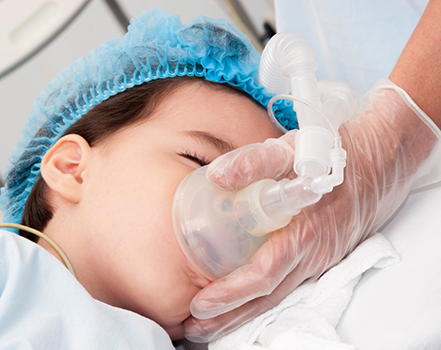
The first step is the consultation, where you will meet with one of our dental anaesthesiologists who will go through all of your child’s medical history. Our team will also confirm which of your child’s teeth need to be extracted and what to expect throughout the procedure.
Most children who require extraction will either go under local anaesthesia or general anaesthesia, both of which can help eliminate fear or anxiety.
Tooth Removal
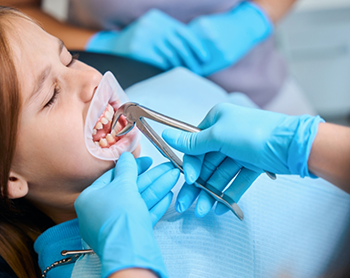
During the tooth removal process, the dentist will use specialized instruments to help loosen the tooth and gently remove it from its socket. This process is fairly quick since our dental anaesthesiologists are highly skilled and can perform tasks efficiently and effectively, minimizing the time your child will spend under sedation.
Aftercare Instructions
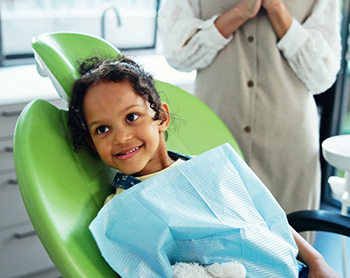
After the treatment is done and your child is awake, they will receive a piece of gauze to gently bite down on. This will help control the bleeding. Our team will let you know when to replace the gauze to help stop the bleeding, as well as instructions for pain management and oral care.
Tooth Extraction Aftercare and Recovery Process

Pain management will be the first concern after your child’s tooth extraction. We recommend over the counter pain relievers to help alleviate discomfort. However, every child is different, and our dental anaesthesiologist will be there to give you more specific instructions, like what your child will and won’t be able to eat after as they’re healing.
A follow-up appointment may be a necessity to make sure that your little one is healing properly, and if there are any concerns, the dentist can help alleviate your stress by addressing them.
If you have any questions or concerns about your child’s oral health, please don’t hesitate to reach out to SmileTown: Just Kids Dentistry.
Tooth Extraction FAQs
Are tooth extractions safe for children?
Of course, kids’ dental extraction is usually conducted with little-to-no risks under the care of a professional dentist. Dentists assess every child prior to the procedure to determine if that particular child requires a dental extraction, and if so, what type of dental sedation they may require before treatment can begin.
Just as important, aftercare instructions should be followed by parents to minimize any risks of post-operative complications following a children’s tooth extraction.
How can I prepare my child for a tooth extraction?
Before your child’s tooth extraction, be sure to carefully explain to them what they can expect before the treatment so they don’t become frightened. Use gentle, positive words while doing this, and if you need help, our team at SmileTown will be happy to offer some advice. We highly recommend bringing a comfort item for your child, like their favourite toy, to help them feel safe. We also recommend scheduling the treatment for a time of day when your child is well-rested.
Will my child experience pain during a dental extraction?
Kids’ dental extractions can cause some discomfort, but pain is handled efficiently and safely by our team at SmileTown: Just Kids Dentistry. Most dentists apply local anesthetic to a particular area to numb it so they don’t feel much, if any, pain. Following the extraction, some slight aches or inflammation may develop, which can be treated with common pain relief medications. It is important to seek the advice of your dentist at all times.
How can I help my child feel comfortable before a dental extraction?
In order to ease your child’s anxiety before a dental extraction, simply explain to them what will be happening using gentle, positive language and allow them to ask questions and express their feelings. Bring a comfort object like a favourite toy or a blanket to help them feel secure and safe during their visit. Once the treatment is complete, encourage your child by praising their bravery in order to create positive feelings. Such steps can help children build trust with the dental team.
Can my child eat normally after a dental extraction?
Following your child’s dental extraction procedure, it’s important to follow aftercare instructions when it comes to what they can eat. They can eat normally, but it is advised to stick with soft foods for the first 24 hours to avoid discomfort. Soft foods like yogurt and mashed potatoes, or even applesauce, are good examples of what to stock your pantry and refrigerator with. They should avoid hard, crunchy, or hot foods to minimize discomfort and aid in recovery. Always adhere to your dentist’s particular recommendations.